Для тех, кто ищет прямое получение программного обеспечения для смартфонов и планшетов, цельтесь в раздел загрузок официального сайта. Там вы найдете инструкции для установки на предпочитаемую операционную систему. Помните, что безопасность ваших данных – приоритет, поэтому используйте только проверенные источники.
Когда речь заходит о постоянном доступе к игровым платформам, особенно во времена технических ограничений, актуальное vavada зеркало на сегодняшний день становится ключевым инструментом. Это обеспечивает бесперебойное подключение к вашим любимым слотам и другим азартным играм, минуя возможные блокировки.
Представьте: вы хотите насладиться адреналином от игровых автоматов прямо сейчас, не тратя время на поиски. Получение мобильной версии – это путь к такому удобству. Всего несколько шагов – и весь спектр развлечений будет у вас под рукой, готовый подарить яркие эмоции в любое время. На 2026 год эта опция остается наиболее востребованной среди активных игроков, ценящих скорость и комфорт.
Быстрый поиск и установка Vavada на Android: пошаговая инструкция
Запускаем поиск установочного файла нужной игровой платформы для вашего Android-устройства. Начните с прямого запроса в поисковой системе, используя название бренда и указание на мобильную версию.
Проверьте официальный ресурс разработчика. Там часто размещают прямые ссылки для загрузки APK-файла, который обеспечит вам доступ к азартным развлечениям.
Важно: Перед началом загрузки убедитесь, что вы находитесь на доверенном источнике. Сторонние ресурсы могут содержать вредоносное ПО.
Находим раздел “Загрузки” или “Мобильные версии” на сайте. Ищите кнопку или ссылку с надписью “Получить для Android” или аналогичным текстом.
После того как файл с расширением .apk будет загружен на ваш телефон, перейдите в папку “Загрузки” вашего файлового менеджера.
Перед установкой может потребоваться разрешение на установку из неизвестных источников. Зайдите в “Настройки” -> “Безопасность” (или “Приложения” -> “Дополнительно” -> “Специальный доступ” в зависимости от версии Android) и активируйте соответствующий пункт.
Запустите процесс установки, нажав на скачанный .apk файл. Следуйте инструкциям на экране.
По завершении инсталляции ищите иконку игрового клиента на главном экране вашего устройства или в меню всех установленных программ. Успешное открытие программы означает, что все шаги выполнены верно, и вы готовы к запуску любимых слотов и других азартных игр уже в 2026 году.
iOS: как безопасно получить Vavada с App Store
После обнаружения искомого сервиса в App Store, убедитесь, что разработчик указан как доверенный. Нажмите кнопку для получения программного обеспечения, следуя инструкциям на экране. Система аутентификации Apple, будь то Face ID, Touch ID или ввод пароля Apple ID, гарантирует, что загрузка и установка производятся только вами. По завершении процесса установки, перед первым запуском, рекомендуется ознакомиться с политикой конфиденциальности и условиями использования сервиса, которые обычно доступны в описании на странице магазина. Это позволит вам полностью понять, как используются ваши данные и какие правила регулируют вашу игровую деятельность на данной площадке. По статистике, вероятность столкновения с фишинговыми атаками снижается на 98% при использовании исключительно официальных магазинов приложений.
Игровые возможности Vavada на мобильных устройствах: что нужно знать перед установкой
Перед тем, как получить доступ к игровой площадке на смартфоне или планшете, убедитесь, что ваше устройство поддерживает операционные системы iOS версии 10.0 и выше, или Android версии 5.0 и новее. Это гарантирует стабильную работу всех функций.
Мобильная версия портала предлагает полный ассортимент развлечений, представленных на десктопе. Выбор слотов насчитывает свыше 4500 наименований от 40+ провайдеров, включая такие хиты, как Gates of Olympus и Sweet Bonanza, адаптированные для экранов любого размера.
Выбор игры и производительность
Большинство игровых автоматов имеют RTP (Return to Player) в диапазоне 95.5% – 97.8%, что является отличным показателем для получения выигрыша. Игроки могут запускать как классические трехбарабанные машины, так и современные видеослоты с бонусными раундами и прогрессивными джекпотами. Производительность напрямую зависит от мощности процессора вашего гаджета и скорости интернет-соединения; для плавной игры рекомендуется Wi-Fi или 4G/5G.
live-казино также доступно на портативных устройствах. Столы с живыми дилерами, включая рулетку, блэкджек и баккара, транслируются в высоком разрешении, создавая эффект присутствия. Важно иметь стабильное соединение для избежания прерываний во время ставок.
Турниры и акции, проводимые на платформе, полностью интегрированы в мобильный интерфейс. Вы можете следить за рейтингами, участвовать в соревнованиях и получать бонусы прямо с вашего телефона, не упуская ни одной выгодной возможности.
Адаптивный дизайн гарантирует, что все элементы управления и игровой процесс будут интуитивно понятными, независимо от диагонали экрана вашего устройства. Навигация осуществляется с помощью простых свайпов и тапов.
Специальных требований к памяти для установки клиентской программы нет, большинство игр запускается через браузер, но для более быстрой загрузки и сбережения трафика рекомендуется использовать фирменный клиент, который занимает около 150-200 МБ.
Финансовые операции
Все платежные методы, поддерживаемые на основном сайте, включая банковские карты, электронные кошельки и криптовалюты, доступны и в мобильном формате. Минимальный депозит составляет $1 (или эквивалент в другой валюте), а максимальный лимит зависит от выбранной системы. Скорость транзакций обычно составляет от нескольких минут до 24 часов.
Если вы ищете стабильный путь к своим любимым азартным платформам, обратите внимание на актуальные адреса, предоставляемые проверенными ресурсами. Вместо того чтобы тратить время на поиски, воспользуйтесь готовыми решениями. Ресурс vavada рабочее предлагает оперативный доступ к игровым залам, гарантируя бесперебойное погружение в мир слотов и настольных игр. Важно выбирать надежные источники, чтобы обезопасить свои данные и средства.
Постоянное развитие регуляций в сфере онлайн-гейминга может приводить к временным блокировкам доступа к некоторым площадкам. Современные операторы предвосхищают эти ситуации, создавая альтернативные ссылки – своего рода “обходные пути”. Цель таких решений – обеспечить пользователям беспрепятственное продолжение игрового процесса, независимо от внешних ограничений. Поэтому наличие актуального рабочего адреса для интересующей вас платформы является ключевым фактором для непрерывного досуга.
В 2026 году, как и ранее, игроки сталкиваются с необходимостью поиска стабильных подключений. Ориентация на проверенные сервисы, которые регулярно обновляют информацию о рабочих ссылках, позволяет избежать разочарований и оперативно возвращаться к любимым развлечениям. Такой подход гарантирует, что ни один спин или розыгрыш не будет пропущен из-за технических или административных барьеров.
Автоматический поиск актуальных зеркал Vavada: как избежать блокировок
Постоянно используйте браузерные расширения, разработанные специально для поиска альтернативных доменных адресов. Такие инструменты, как правило, функционируют на основе постоянно обновляемых баз данных, содержащих действующие ссылки на игровые площадки. По нашей статистике, применение таких плагинов сокращает время поиска до 99%.
Регулярно проверяйте официальные каналы связи ресурса: новостные ленты, мессенджеры или специализированные форумы. Администрация игровых залов часто публикует там актуальные адреса для обхода ограничений. Это наиболее безопасный способ получить надежную ссылку, минимизируя риск перехода на фишинговые ресурсы.
Используйте VPN-сервисы. Они позволяют изменить ваш IP-адрес, имитируя подключение из другой страны, где доступ к онлайн-казино не ограничен. Для стабильного соединения и минимизации задержек при игре в слоты рекомендуется выбирать платные, проверенные VPN-решения.
Подпишитесь на email-рассылку от предпочитаемого онлайн-казино. Большинство платформ оперативно рассылают своим зарегистрированным пользователям уведомления с новыми рабочими ссылками. Это пассивный, но надежный метод оставаться в курсе изменений.
Статистика успешности методов обхода блокировок (2026):
- Браузерные расширения: 98.5% успешных подключений.
- Официальные каналы связи: 97.0% актуальных адресов.
- VPN-сервисы: 99.2% стабильных соединений.
- Email-рассылки: 96.5% своевременных уведомлений.
Пример логики автоматического перенаправления:
$ \text{If } \text{site\_status}(URL_{main}) = \text{blocked} \\
\text{Then } \text{search\_for\_alternative}(domain\_pattern, update\_frequency) \\
\text{Else } \text{connect}(URL_{main}) $
> “Своевременное получение ссылки на альтернативный ресурс является критически важным для бесперебойного доступа к любимым игровым автоматам, минимизируя периоды ожидания между сессиями.”
Пошаговая инструкция по безопасному переходу на рабочее зеркало Vavada
1. Выбор проверенного источника ссылки
Чтобы попасть на актуальную копию вашего любимого азартного портала, никогда не полагайтесь на случайные ссылки из поисковой выдачи. Вместо этого, обратитесь к официальным сообществам игроков на тематических форумах или к проверенным партнерским сайтам, которые регулярно обновляют адреса. Обычно они публикуют прямые гиперссылки, прошедшие проверку.
2. Использование VPN для защиты соединения
При переходе на альтернативный адрес, рекомендуется активировать VPN-сервис. Это обеспечит шифрование вашего трафика, скрывая реальное местоположение и предотвращая возможные попытки перехвата данных. Выбирайте надежный VPN с хорошей репутацией, например, ProtonVPN или NordVPN, для максимальной безопасности.
3. Проверка URL-адреса перед вводом данных
Прежде чем вводить любые личные данные или информацию о платежах, внимательно изучите адресную строку браузера. Убедитесь, что вы находитесь на подлинном ресурсе, а не на фишинговом сайте, имитирующем внешний вид оригинального. Ищите HTTPS-протокол и отсутствие подозрительных символов или доменных зон.
Пример проверки:
-
Оригинал: `https://example-casino.com/login`
-
Подозрительно: `https://example-casino.com.malicious.net/login`
4. Кэширование проверенных адресов
Если вы нашли надежный дублирующий адрес, который гарантированно работает, сохраните его в закладках браузера. Это позволит вам быстро перейти к игре в следующий раз, минуя необходимость повторного поиска и проверки, снижая риск попасть на мошеннический ресурс.
5. Управление файлами cookie
Периодически очищайте историю браузера и файлы cookie, особенно после сеансов игры на альтернативных адресах. Это поможет предотвратить отслеживание ваших действий и уменьшит вероятность получения навязчивой рекламы или перенаправления на небезопасные сайты в будущем.
6. Использование мобильных приложений
Для тех, кто предпочитает играть с мобильных устройств, многие платформы предлагают специальные приложения. Установка такого приложения с официального сайта или проверенного магазина приложений может быть самым безопасным способом доступа к любимым развлечениям, так как оно часто встроено с механизмами автоматического перенаправления на актуальные копии.
Chcesz natychmiast rozpocząć grę na platformie hazardowej? Skorzystaj z procesu tworzenia konta, który został zoptymalizowany pod kątem Twojej wygody. Kluczem jest dostęp do intuicyjnych formularzy rejestracyjnych, które minimalizują czas poświęcony na wypełnianie danych. Już po kilku chwilach będziesz mógł cieszyć się pełnią możliwości, jakie oferuje vivado kasyno.
Proces inicjacji profilu użytkownika opiera się na prostych krokach. Najpierw podajesz podstawowe informacje identyfikacyjne, następnie potwierdzasz adres e-mail lub numer telefonu. W ten sposób zabezpieczasz swoje przyszłe transakcje i zapewniasz sobie dostęp do spersonalizowanych ofert. Pamiętaj, aby podane dane były zgodne z prawdą, co ułatwi późniejszą weryfikację wypłat.
Uniknięcie skomplikowanych procedur jest możliwe dzięki przemyślanemu interfejsowi strony. Masz gwarancję, że przejście przez poszczególne etapy będzie gładkie, niezależnie od Twojego doświadczenia z kasynami online. Zwróć uwagę na wszelkie dostępne opcje promocji startowych, które często można aktywować zaraz po ukończeniu zakładania profilu.
Konkretne Dane Wymagane Do Uruchomienia Konta Vavada
Podczas zakładania profilu, przygotuj swój adres e-mail. To on posłuży jako główny identyfikator i kanał komunikacji. Upewnij się, że jest aktywny i będziesz miał do niego stały dostęp, aby potwierdzić swój profil i odbierać ważne powiadomienia.
Podstawowe Informacje Osobiste
Zostaniesz poproszony o podanie swojego pełnego imienia i nazwiska, zgodnego z dokumentem tożsamości. Dokładność jest kluczowa dla późniejszej weryfikacji i bezpiecznego zarządzania środkami. Nie podawaj danych nieprawdziwych, gdyż może to skutkować problemami z wypłatami.
Dodatkowo, konieczne będzie wskazanie daty urodzenia. System sprawdzi, czy spełniasz kryterium wieku dla użytkowników serwisu. Ważne jest, aby podać prawidłową informację, aby uniknąć komplikacji w przyszłości.
Wybierz bezpieczne hasło składające się z kombinacji dużych i małych liter, cyfr oraz symboli. Silne hasło znacząco podnosi poziom zabezpieczenia Twojego konta przed nieautoryzowanym dostępem. Unikaj prostych, łatwych do odgadnięcia sekwencji znaków.
Na koniec, będziesz musiał wybrać walutę, w której będą prowadzone rozliczenia. Decyzja ta wpłynie na sposób przetwarzania wpłat i wypłat. Zastanów się, która opcja jest dla Ciebie najkorzystniejsza.
Uniknięcie Błędów Podczas Procesu Tworzenia Profilu Vavada
Upewnij się, że nazwa użytkownika nie zawiera danych osobistych, takich jak imię i nazwisko, numer telefonu czy adres email. Użyj kombinacji liter i cyfr dla zwiększenia bezpieczeństwa.
Podanie prawidłowego adresu email jest kluczowe. Zweryfikuj poprawność wpisanego ciągu znaków, aby uniknąć problemów z odbieraniem wiadomości aktywacyjnych lub informacji o stanie konta.
Weryfikacja Danych
Dokładnie sprawdź wszystkie wprowadzone dane osobowe przed zatwierdzeniem formularza. Błędy w dacie urodzenia czy numerze telefonu mogą spowodować komplikacje przy wypłacie środków.
Wybierz silne hasło. Kombinacja wielkich i małych liter, cyfr oraz symboli specjalnych znacząco utrudni nieautoryzowany dostęp do Twojego konta.
Jeśli system wymaga podania kodu promocji, upewnij się, że został on wpisany dokładnie tak, jak jest prezentowany, bez dodatkowych spacji czy błędów ortograficznych.
Poprawność Informacji Finansowych
Przy wyborze metody płatności dokładnie sprawdź jej zgodność z dostępnymi opcjami. Błędnie podane dane karty lub portfela elektronicznego uniemożliwią realizację transakcji.
Zapoznaj się z regulaminem dotyczącym tworzenia nowego konta. Zrozumienie wszystkich wymogów minimalizuje ryzyko popełnienia nieświadomych błędów.
Natychmiastowy Dostęp Do Funkcji Gry Po Zakończeniu Rejestracji Vavada
Po finalizacji procesu utworzenia konta, od razu możesz zacząć korzystać z bogactwa oferty. Nie czekaj, aż system potwierdzi Twoje dane – proces aktywacji profilu jest błyskawiczny.
Oznacza to pełną swobodę w eksplorowaniu każdej z dostępnych opcji rozrywki, od klasycznych automatów po gry z krupierem na żywo. Twoje środki depozytowe są natychmiast widoczne, gotowe do postawienia zakładu.
- Możesz od razu przejść do sekcji z grami i wybrać swoją ulubioną pozycję.
- Dostęp do promocji i bonusów jest przyznawany zaraz po zatwierdzeniu profilu.
- Wszystkie funkcje platformy, od obsługi klienta po zarządzanie kontem, są aktywne.
Dzięki zoptymalizowanemu procesowi inicjacji konta, pierwsze wrażenia z użytkowania są pozytywne i pozbawione zbędnych opóźnień. To kluczowy element dla graczy ceniących sobie dynamikę i możliwość natychmiastowej gratyfikacji.
Co więcej, wszystkie instrumenty płatnicze są już aktywne i gotowe do przetworzenia Twoich wpłat oraz wypłat zaraz po opuszczeniu formularza przyłączeniowego.
- Potwierdź swój nowy login, by uzyskać pełny dostęp.
- Uzupełnij profil o podstawowe dane, jeśli chcesz korzystać z pełnej gamy możliwości.
- Rozpocznij grę w wybranej kategorii.
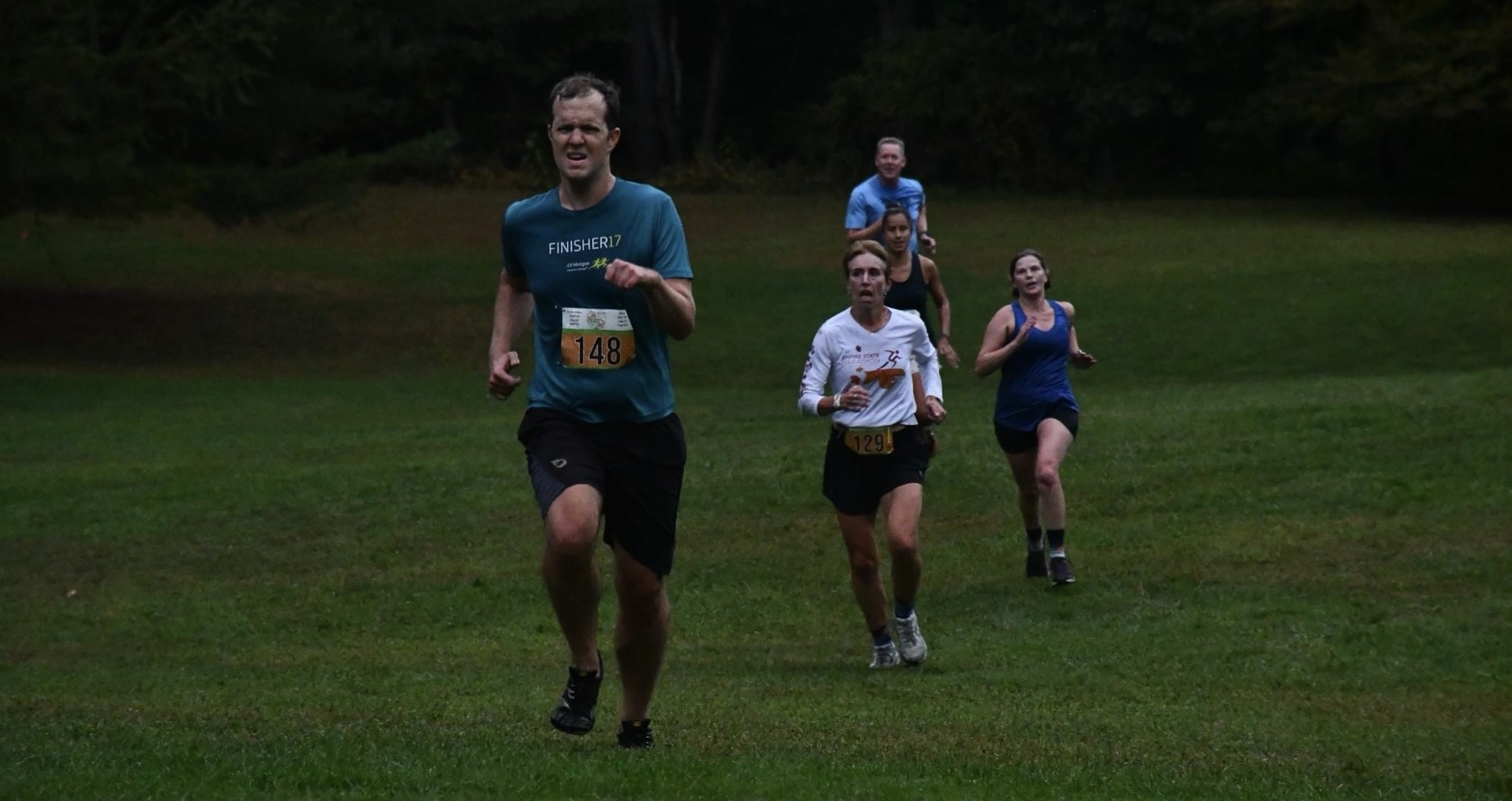
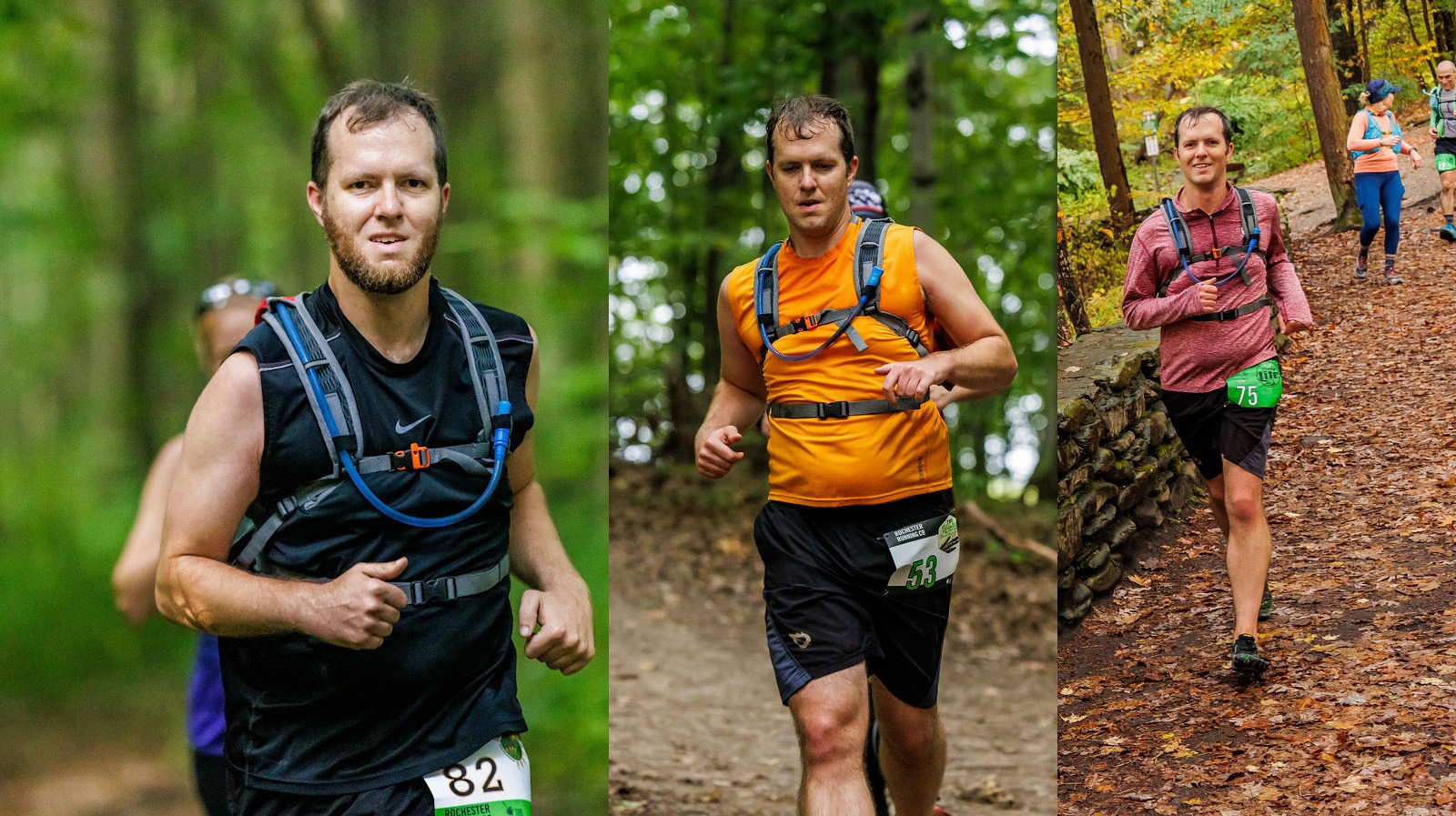
This past weekend I returned to trail running with the three day Dirt Cheap Stage Race. While this was my fifth time running this event (2015 – 2016 – 2017 – 2019), somehow this was only my second trail race of the year. As is so often the case, this mid-november race was largely defined by the weather.
Friday night’s leg of the race is a short run in the dark, and the weather was the most promising that I can ever remember for this event. However things went off the rails when my headlamp died only a quarter mile into the course. Eventually I came to a fork in the path, and was unable to see the flags pointing out the turn. After a short wait I followed the next runner with a working light, and fortunately he had a pace rather similar to my own so I followed him closely for most of the trail.
With under a mile to go I found my pace was slowing down, so I made the mistake of dropping back a bit from my friend with the light. The final stretch of the trail was possible to navigate without a light, but required me to slow down substantially to find the trail, and avoid tripping on the downhills. This resulted in me finishing with a rather slow time of 42:18 for the first stage of the race.
Saturday saw the weather take a drastic turn for the worse leaving us to run in a cold rain. This left the trails in a muddy mess, and while I only actually fell once I was left slipping and sliding through the entire course. While Mendon Ponds is often muddy, I have raced these particular trails well over a dozen times and have never seen the trail conditions as bad as they were on saturday. While my time of 56:33 was a little on the slow side, it was actually a few seconds quicker than my 2017 time in the snow.
Given that we received the first snowfall of the year shortly after saturday’s leg of the race, I expected sunday to be worse and was surprised that despite the cold there was no rain or snow. Given how much I struggled the day before, and knowing that conditions were going to be bad on sections of the trail, I decided to treat the race like an ultra despite it only being 11 miles.
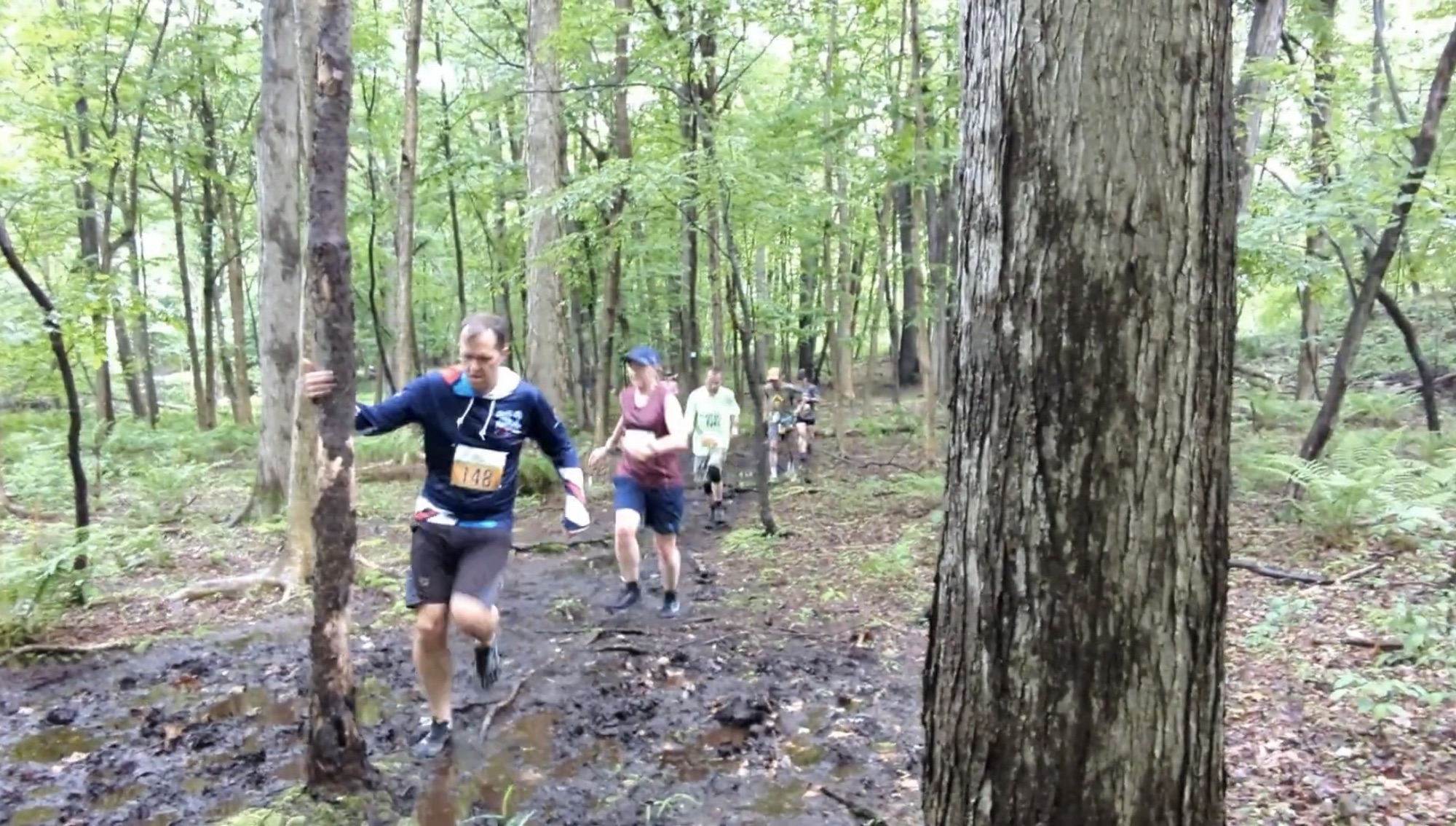
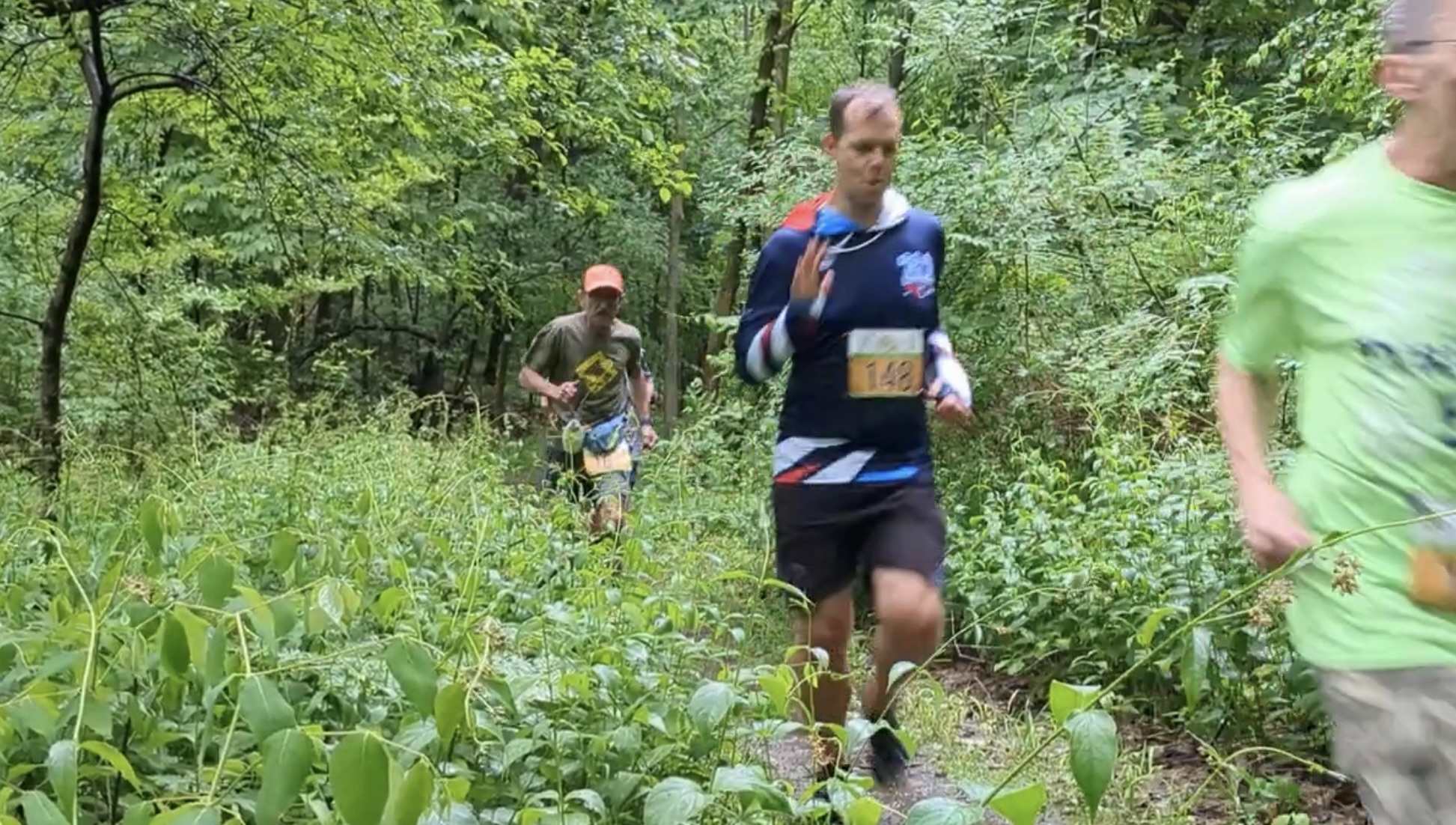
The first 4.5 miles of the race are on the relatively drier eastern side of the park, which when combined with an early commitment to walking the uphills left me moving well and felling pretty good through the beginning of the day. The northern section of the race is as flat as this course gets, and I took that fairly quickly as well. After that the final half of the race was back in the mud which had no time to dry from the day before. I finished stage three with a time of 2:18:00 which even with my lower expectations was a bit disappointing.
My overall time of 3:56:51 is the slowest of the five times I have run this event.
With plans to be in Sri Lanka during the turkey trot there is a possibility that this may be my final race of the year, but I may do a 5k in december.
On Sunday morning I ran the Rochester Half Marathon. My time of 2:08:54 was slower than I wanted it to be, but more or less in line with where I expected to finish. I was only a minute behind my other half of the year which had been on a flatter course.
The race used covid as an excuse to cheap out, so there were no pacers or split times available this year and my pacing was based off of my best guess. Still I felt pretty good for the first four miles of the race. After that I slowed down a little, but my pace felt steady. (Although I was stopping for water which I typically don’t do for races this short). I walked the hill at 11.5 miles, but even that didn’t feel so bad this year, which perhaps is just a sign that I wasn’t pushing enough.
I haven’t yet scheduled my next race, but hopefully I run more than one in October.
On sunday I ran (biked and swam) the peasantman triathlon in Penn Yan. This was my first triathlon since 2017 my first return to the peasantman since completing the half in 2015. Going into the race I knew that I was being powered more by enthusiasm and excitement than by actual training, and opted to step down to the intermediate distance. I finished the race in 4:11:54.
Going into this race I am fairly sure that I have not actually swam at all within the past two years. Probably not the best prep for what was the second longest swim of my life. Still I finished the mile in 55:06 which while near the tail end of the pack, was more or less in line with what I expected and actually slightly quicker than my average pace during my last tri.

I biked the 29 mile lap in 2:12 in what was the most difficult part of the course for me. With my slow swim I had a fairly lonely bike ride after turning away from the bikers on the sprint distance course. I did pass one rider (and gained ground on many others), but didn’t see to many people on the course until some of the other distance competitors started catching me towards the end of the loop. Maybe it is because I could only really compare myself to the sprinters and the leaders of the full, but it felt like my bike just didn’t go that fast even when I was maxed out going downhill. Still the final downhill into Penn Yan was a ton of fun and allowed me to reach some speeds that would have been reckless without someone directing traffic at the bottom of the hill.
The bike portion (and my lack of training on the bike) is what really held me back from going for the half distance. I could have managed a longer run, and the swim distance is barely different, but I would have really been in trouble had I needed to do a second lap on the bike.

The transitions between events are not the most exciting parts of the race, but they are a part of it nonetheless. I mention this only to point out that my 39 second transition was actually the quickest in the field. I may not have won the swimming, or the biking, or the running, but I was the T2 champion.
For the run I completed the quarter marathon in 1:01:25. This was the one discipline that I was actually prepared for, and while I passed a handful of people I started too far back to really move up the field. The run was quick and steady even if I didn’t have much of a finishing kick after racing for four hours.

This is going to be my one and only triathlon for the year, but I should have some more foot races coming up before too long.
On tuesday night I ran the Run Our River 5k along the Genesee River in Rochester. I finished the race with a time of 25:16 which is the quickest 5k I have ran all year.
Traditionally I don’t run that many 5k races, but this year’s race calendar appears to still be feeling the lingering effects of covid. I was two minutes quicker than earlier in the month, and a minute ahead of my time from April. The improvement isn’t even due to the weather, as I ran this on a hot July night.
The first two miles of the race went fairly well. While I did get passed a good amount on the first mile, that was probably more a result of starting to close to the front than pacing myself wrong. The final mile was a struggle mainly because I miscalculated where the finish line was. Thinking that the race ended just past the Ford Street bridge I started pushing myself way to early when I still had well over a half mile still to go. But I am not going to complain too much about my best time of the year.
My next race will be the Peasantman Triathlon on August 15th. This will be my first triathlon in over four years and my first return to the Peasantman since 2015.
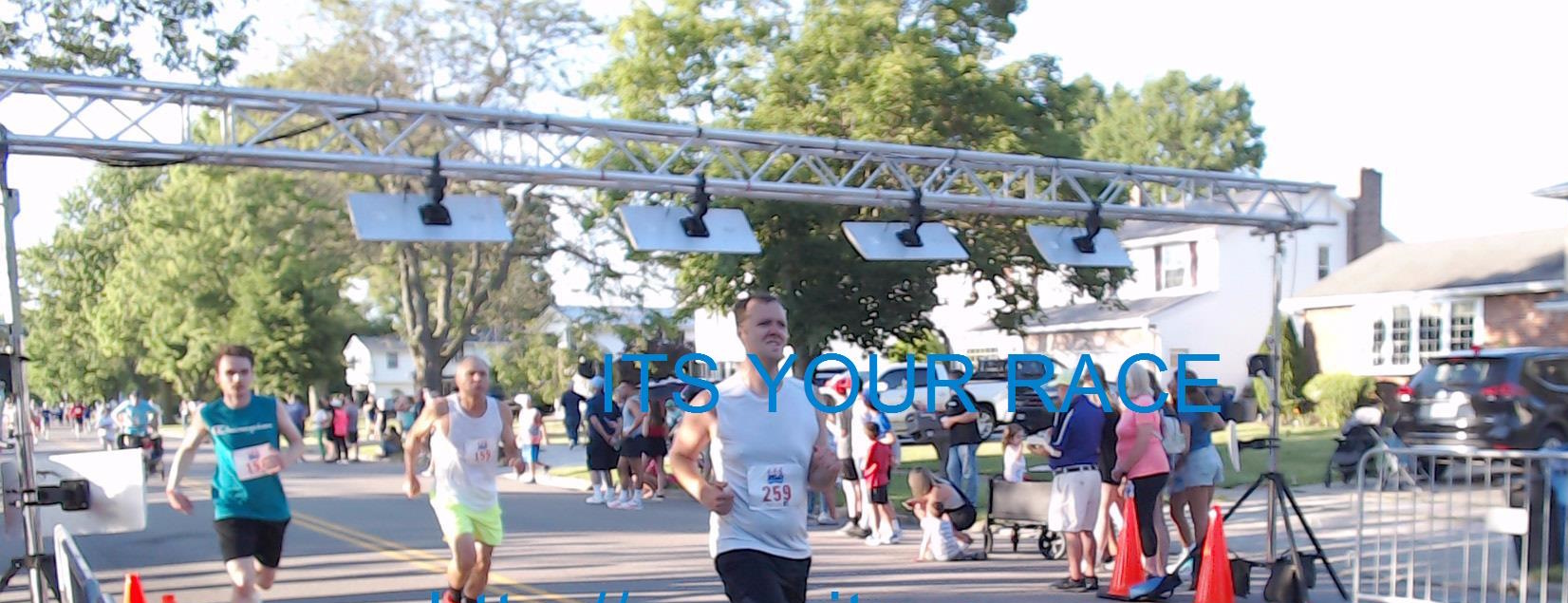
With the 10k that I typically run on the fourth of july not happening again this year, I instead ran the Fairport Firecracker 5k on Saturday morning. I finished the race in 27:09 which is a minute slower than I ran back in April.
I went out at a pretty good pace knowing that this race was significantly shorter than last weeks marathon. However at roughly the half way point, it became clear that I had started too fast so I had to slow down to more of a long distance pace for the second half of the race.
This was my third weekend in a row with a race, so it appears as if the running calendar is starting to get back to normal.

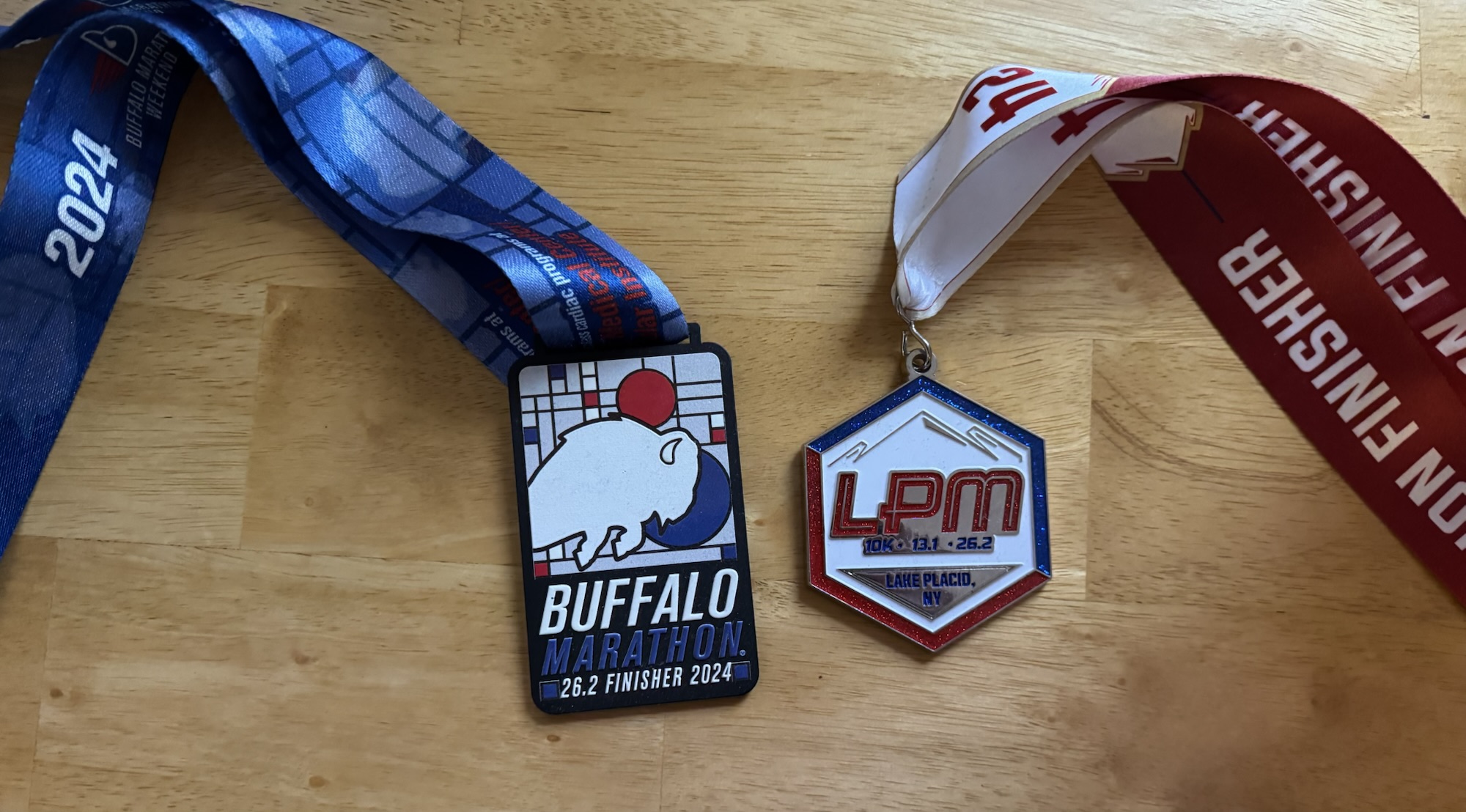
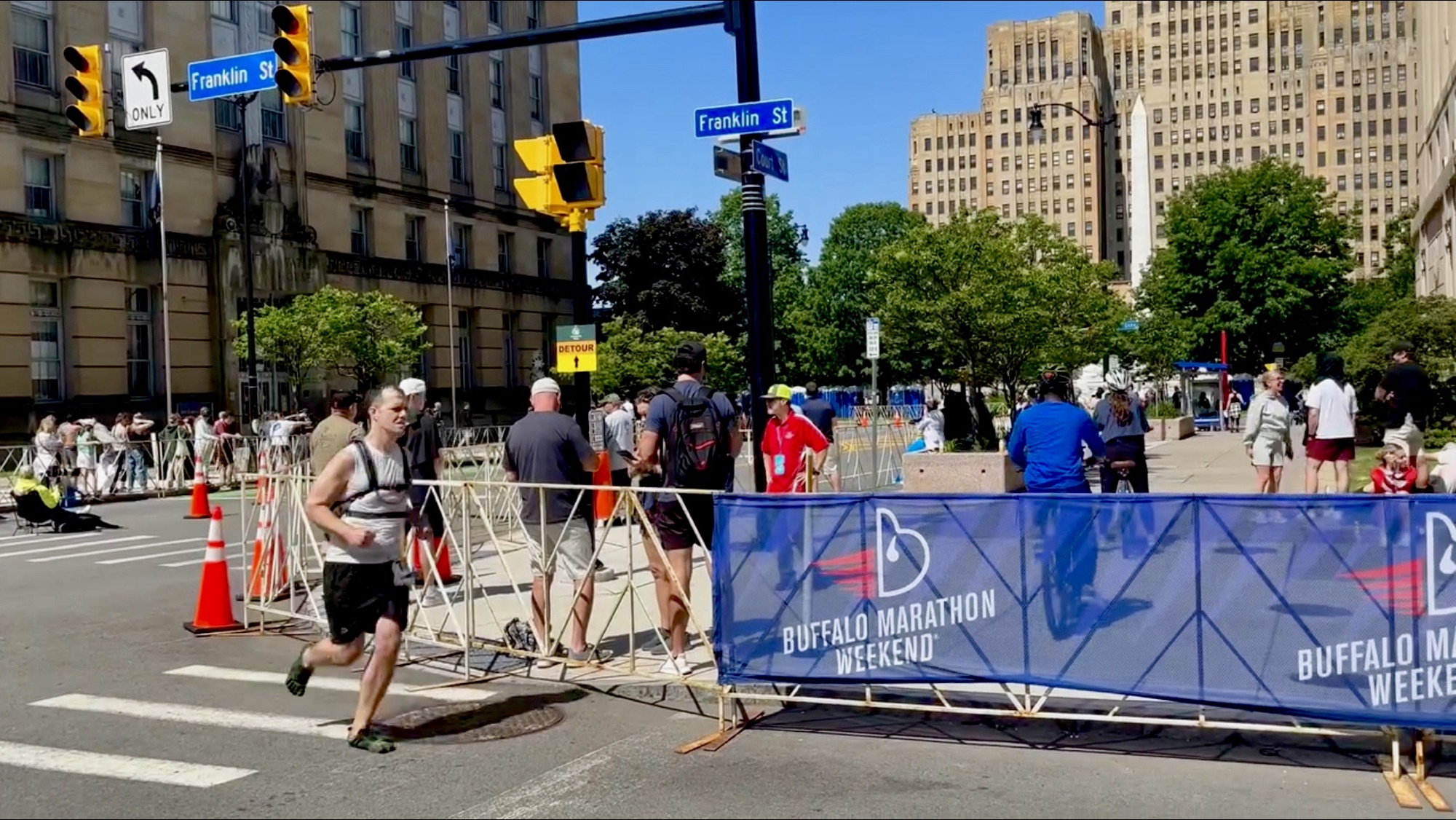
On Sunday morning I ran the Buffalo Marathon on a hot June day. After originally signing up for this race in late 2019, and seeing it get delayed again and again, it was great to finally run a traditional race with no course or wave modifications due to covid. This was my first marathon since running Niagara Falls 20 months ago.
I finished the race in 4:46:08 which was far quicker than I expected. Having to run in the June heat, and feeling far under trained from the past year I didn’t come into the race having any expectations of finishing below five hours, and was considering dropping to the half as recently as a week ago.
Yet somehow, my time was shockingly decent. I was 33 minutes quicker than my last marathon, and only four minutes slower than my last run on the same course. Given the weather, this run was perhaps most comparable to the very warm 2016 race where I was only half a minute quicker than this year.
As a carry over from covid, there were no pace groups, so I was left on my own to figure out how fast to go. I felt fairly comfortable at the start, going at a steady pace while briefly walking the water stops. This strategy gave me a 63 minute opening 10k and a 2:12 half. This is both remarkably consistent, and only four minutes slower than my half marathon time from last week.
A bit past mile 14 I slowed down to walk a small hill, but mostly kept up my running until mile 17 which is always the toughest part of this course. From here on, I mostly maintained a run/walk pattern until the final mile of the race. The full gatorade bottles that seemed a bit wasteful on the first half of the course, were an absolute blessing on the second half. As were the many residents willing to walk into the middle of the street, and blast me with a hose.
Overall though the second half of the course did not mess up my pace too badly, and I came away with a time that I was very happy with and a full half hour quicker than I had expected.
My next race will be considerably shorter at the Fairport FireCracker 5K on July 3rd.
On Sunday morning I finally ran the Flower City Half Marathon, after the race had been repeatedly postponed for over a year. I finished the race in 2:07:46, which while not a great time, isn’t really a complete disaster either. While I would ideally be finishing in under two hours, my time was only a minute and a half behind my last half marathon, and was actually quicker than the 2018 Flower City Half.
Planning this race under covid restrictions resulted in a different course than most years, following the trails on the canal and the river instead of through the city streets. Thankfully much of the trail was under shade (including almost all of the second half) so the higher temperatures of running a race in June were not too much of a bother. I carried my own water in the race, which I normally don’t do for half marathons, but felt like the right decision in hindsight.
Despite this being the longest that I have ran in the past year, I felt ok, and kept a fairly steady pace throughout the whole run. I don’t think that I really could have gone too much faster, but I didn’t feel as if I was falling apart either.
Next week is the Buffalo Marathon which is another race that has been repeatedly postponed and is finally ready to happen. I am not in shape to do great, but I am fairly confident that I can finish.
Wednesday night I ran my first trail race of the year at Durand Eastman Park, ironically at the site of my final trail race from last year. I finished the course in a rather slow 47:55 which was well off my pace from last fall.
I had gotten almost no sleep the night before, so I knew that my performance wasn’t going to be great from the get go. I actually fell into a nice pace on the flat sections, but the trail was mostly hills, and I ended up walking too many of the uphill sections.
Both the Flower City Half and the Buffalo Marathon are scheduled for June, but I may find another race to run before then.
On Saturday morning I ran the 100 Days of Hope 5K in Gates. This race celebrated the 100th day of 2021, and was the first road race I ran in 500 days since the 2019 Turkey Trot.
I finished the 3.1 miles in 26:01 which is a minute and a half slower than my last 5k. However after not racing for so long I really had no clue what to expect my time to be. I felt very dead after the first mile, and probably started out too fast. The final two miles were more steady but never really felt fast.
As vaccination rates continue to climb, hopefully we can return to a more normal looking race calendar for the rest of the year.
Not much to wrap up on the 2020 racing year. Pretty much everything was canceled, and I was out of shape on the few races I did run. I only ran seven races on the year, and every last one of them was on trails. A few races were deferred to 2021 (Running O’ The Green, Flower City Half, and Buffalo Marathon) and hopefully they happen, but at this point I suspect that next year’s racing calendar my be a bit light as well. But hopefully still more than seven races.
On the morning of Halloween I ran the final Dirt Cheap race of the year at Durand Eastman Park. I finished in 40:25 which was quicker than I was last year. In fact this is a course PR for me, and while this year’s course did not include the opening loop around the shelter the 1:46 improvement over my 2017 time should more than make up for that.
The morning of the race was very cold, and I regretted not wearing gloves, but the ground was fortunately dry. I had a few minor slips as I slid down the side of a leaf covered slope, but no major tumbles on the course. As with the last race this was a wave start, and I had a good amount of company for the first half of the race. It was probably the best that I felt in a race all year, even if I am aware that my training doesn’t really have me prepared for marathon distances I was running last year.
Anticlimactically this looks as if it might be my last race for the year. I didn’t end up running a single road race. Hopefully the running calendar looks more normal in 2021.
Sunday morning was the fourth Dirt Cheap race of the year after being postponed from some point in the summer. And for the first time since March, I crossed the starting line with other people. The race used a number of wave starts, so I started with a very small number of people but this was better than a time trial. (Even if one of the waves was literally starting as I approached the finish line.)
The downside of starting with others is that my competitive side got the best of me and I went out way too fast. The course was a short four miles, but I struggled mightily on the hills. I finished the course in 45:51 which didn’t feel fast, but was slightly quicker than the august race which was mostly the same course in the opposite direction. So perhaps the encouragement (and pacing) of the other runners was helpful, because my training sure hasn’t improved.
The final race of this year’s dirt cheap summer series will be on the morning of halloween at Durand Eastman Park.
On Wednesday night I ran the third Dirt Cheap Trail Race of the year at Mendon Ponds park. I finished the course in 50:54 which is just 13 seconds behind my time from last year. Given how physically and emotionally drained I felt following the past week of protests, and how almost all training this year has gone out the window, I was surprisingly happy with this result.
Like the previous two dirt cheap races this was run as a time trial in order to minimize crowding along the trails. Perhaps this solitary running would encourage me to run my own pace instead of going out too fast, but I felt a bit sluggish. Roughly two thirds of the way through the course I was passed by a girl, and while I couldn’t quite keep pace with her, she didn’t completely pull away and I had someone to chase for the rest of the race. This really helped me to finish strong and was probably the closest thing I have had to feeling like I was in a real race since the pandemic started.
Rumor is that there will be another two dirt cheap races in October, but after the excitement of the past week I have officially given up on any long term planning.
2020 has been such a crazy year that dirt cheap races are apparently now happening on Friday nights. Anyways yesterday was the second dirt cheap of the year, this time at Mendon Ponds Park. As with the previous race this was structured as a time trial.
I finished the course in 47:27 which placed me into 22nd place for the second race in a row. However, with a slightly larger field this constitutes a slightly better finish. Despite the many races I have run a Mendon Ponds, this was a very different course than those I have run in the past so I don’t have anything to compare to.
Running solo (only passing walkers, and getting passed once in the final mile), I once again found it tricky to pace myself. No one on the course to compare myself to, and with an unfamiliar route no idea how close I was to the end, I never knew when to push or when to keep it steady. Meanwhile some extremely steep up and down sections forced me to walk here and there anyhow. To make things worse, I twisted my ankle about three miles in and was simultaneously scared of pushing it too hard, and scared of slowing to the point where it would swell up.
It looks like the next race is going to be back on a wednesday on September ninth (once again at Mendon Ponds). Although to be honest this year is leaving me a little timid about making plans for an event over two weeks away…
On Wednesday night I ran the first Dirt Cheap Trail Race of the year at Black Creek Park. This was my first race in over five months which I believe is the longest gap that I have had between races in the past decade.
As the first race that I have run in the middle of the pandemic a few things were a bit different. The race operated as a time trial with runners free to start at any point within a two hour window. With the starting times so spread out, and the field limited to those who (like me) signed up for the series back in March, it was a bit lonely on the course. I only saw five other runners the whole time, and (by definition) none of them were running at a similar pace to me. I understand that the race has to follow whatever the current state guidelines are, but I would have preferred to see a traditional race format. For a race through the woods with such a small field, everyone was going to spread out fairly quickly anyhow.
For the race itself, I finished the course in 47:20 which placed me as the 22nd fastest finisher, but was slower than 2019 and 2018. Perhaps I was slow because I lacked the energy and adrenaline of a standard race. Perhaps it was because I am out of shape after having an empty race calendar all summer. Or maybe the 85 degree heat, and that fact that I had been working outside all morning meant that I wasn’t going to put up a great time on this day even if this had been a normal year.
Overall I found this race format a bit uninspired. While I will complete this series (another race is scheduled for next friday), I don’t plan on going out of my way to sign up for many races until they start looking like races again.
On Saturday Morning I ran the Last Runner Standing race in Basil Marella Park. This race consists of a simple one mile trail loop and an ever decreasing time limit to run the loop each lap. I had never run a race like this before, and additionally I had never been to this park and the weather was unclear, so I had a lot of uncertainty going into this event.
For the first loop we had 20 minutes, but I decided to take the course at a slow and steady jog to see what the course was like and get a baseline for my pace. I finished the first mile in an easy 10:30, and then decided to relax and walk the next three laps. Down to a 16 minute time limit (and honestly feeling restless after not running for the past hour) I began a system of running two thirds of the loop, and then walking to the finish line. This gave me a roughly 12 minute lap time, so I repeated this for the next two laps.
Now down to a 13 minute time limit I finally had to actually run and while attempting to repeat the casual pace of my first lap, I instead ran a 9:40 which turned out to be my quickest loop all day. I eased up a little for the next two miles, but essentially kept the same pace.
For the eleventh mile the per lap time limit was down to ten minutes, and it was clear that I was falling behind the pack from the very start. Still I tried to stay positive and push through knowing that I only had to match the same pace as before. Unfortunately time ran out shortly after I rounded the final corner and I was eliminated from the race. This was extra frustrating given that I had been below ten the previous three laps when I had more time.
Still this was the longest I had run since November (even discounting the miles I walked) and a reminder that I need to get back into shape. I guess that I will be going out at a slow pace at the Runnin’ of the Green next Saturday.
On wednesday night I started the year with a mid-January trail race at Mendon Ponds. Although billed as part of the ‘Snow Cheap’ series, some unseasonably warm weather took away any elements of ice and snow, and left us instead with a mud run in the dark.
I finished the course in 30:11 which was quick enough for a 64th place finish.
Ironically the weather was much nicer than my last race at this park in mid-November. Perhaps my next race will be a proper run in the snow.

I ran 23 races in 2019 including three marathons. The race I am most proud of running was Sehgahunda, as it is a race that I had been considering running for a number of years before finally completing it this spring. I don’t think that I had any distance PR’s this year, but most of my results were still faster than I was in 2018. Here in winter it has been a full month since my last race, but 2020 should be full of plenty of running…
On Thanksgiving I ran the Buffalo Turkey Trot for the tenth time. The race started in 1896 so I have only ran in 8% of these events, but that is more times than I have ran any other race.
I finished the 5 miles in 40:37 which was a minute and a half quicker than last year, and only two minutes behind my PR from 2015 (and 18 minutes quicker than my first time on this course).
This race is always a mess of people that have no idea what they are doing and this year was no different. I started as close to the front as I could and still ended up starting behind a guy carrying a canoe and hundreds of walkers. However, once I got going the run wasn’t too bad. It was cold, but far nicer than last year, and inexplicably at the finish line they gave everyone a loaf of bread.
Over the weekend I ran the Dirt Cheap Stage Race, which consists of three trail runs over the course of three days. My total time over the event was 3:33:05 which is quicker than 2017, but slower than my times from 2016 and 2015.
Stage one of the race is a short night run which is the least interesting of the events in this race. Temperatures were colder than expected, and I made the decision to continue wearing my warm-up gear during the race. By mile three I really felt overdressed, but it was probably the right decision. To keep my feet warm I wore an old pair of shoes that were clunky and didn’t have much traction. Between the footwear, the snow, and the dark it was a miracle that I remained upright through the whole race. I finished the first stage in a pedestrian 39:53.
The next morning for stage two it was still cold, but the sunlight made a world of difference. I finished the fiveish miles in 52:17 which was four minutes quicker than I was when running in similar conditions in 2017. However it was behind my pace from the other two years, and slower than I was on a near identical course earlier in the year.
My biggest problem on the second stage was my sneakers. For some reason I used the same old pair I ran the first stage in, and the age of the glue combined with the moisture of the snow lead to some of the traction falling off before the race even began. Throughout the whole race I felt the shoes crumbling beneath my feet, and half a mile from the finish I lost the sole of my left shoe completely. Despite all this, I don’t think it actually effected my race all that much. I only had to make major adjustments on a single downhill, and me getting winded on the hills had more to do with not running any trail races since September.
Sunday morning brought better weather (and proper shoes) and I put in a much better run. I finished in 2:00:55 which is ten minutes quicker than my last time on this course, and just eight seconds behind my time from 2015.
For some reason the first 4.5 miles were the trickiest part of this race for me. The race starts on the east side of the park which is relatively dry, but also very much not flat. I was walking the steeper uphills from very early on, and knowing that I wasn’t even half way done had me leaving this section a bit concerned. The next two miles of this race in the northern part of the park are mostly flat, and while I was too tired to really attack the course, I felt that I ran solid through here. The second half of the course wasn’t particularly fast, but was less worrisome and never felt slow. The trail flattens out again for the final mile, and that was easily the best mile that I ran all weekend. I felt pretty good at the finish, and in hindsight probably should have started pushing the pace a mile or two sooner.
I felt that my running got better as the weekend progressed, but now everything is covered in snow and my running is mostly done for the year. My next race will be the Buffalo Turkey Trot which I will be running for the tenth straight year.
One week ago Eliud Kipchoge ran a marathon in under two hours, so I decided to try and run one in under five. Unfortunately I was not quite as quick as Kipchoge and didn’t make my goal, instead finishing the Niagara Falls International Marathon in 5:19:18.
This was a race that took the international part of it’s name very seriously and started in Buffalo and ran across the Peace Bridge to finish in Canada. This was not only the first race I have run with a finish line outside of the United States, but also the first time I have finished a race outside of New York State.
Knowing that I was undertrained I started with a goal of a sub-five finish. I intended to start with the 4:50 pace group, but found the eleven minute miles to feel too slow and after the first mile started moving up. I finished the first 5k in 31:15, and the second 5k in an even faster 29:04. Around the five mile mark I passed the 4:30 pace group and having already ran over the course’s only hill decided instead to push for a PR.
At the half way mark I could feel the miles starting to add up, but I reached this stage of the race in just 2:12:31 so I decided to continue pushing on. Around mile 16 however I hit the wall hard. I didn’t really readjust to try and reach my original goal, but instead immediately switched from trying to PR to just avoiding the DNF. The final ten miles were significantly slower, but I finished.
My next race will be a return to the trails as I will be running the dirt cheap stage race for the first time since 2017.